From Depollution to Defined Fractions
Not every recycling challenge is defined by throughput alone. In many applications, the real technical value lies in how precisely materials can be separated, classified and prepared for downstream recovery.
In this edition of our series "3 Questions - One Expert", we spoke with Dmytro Boichenko, Project Manager at URT, about modular processing concepts for small domestic appliances and the growing importance of representative sampling in PCB recycling.

1. URT’s recycling concept for IT, small and large domestic appliances is based on three processing levels. What technical criteria determine whether a plant operator should stop after primary separation or invest in deeper sorting?
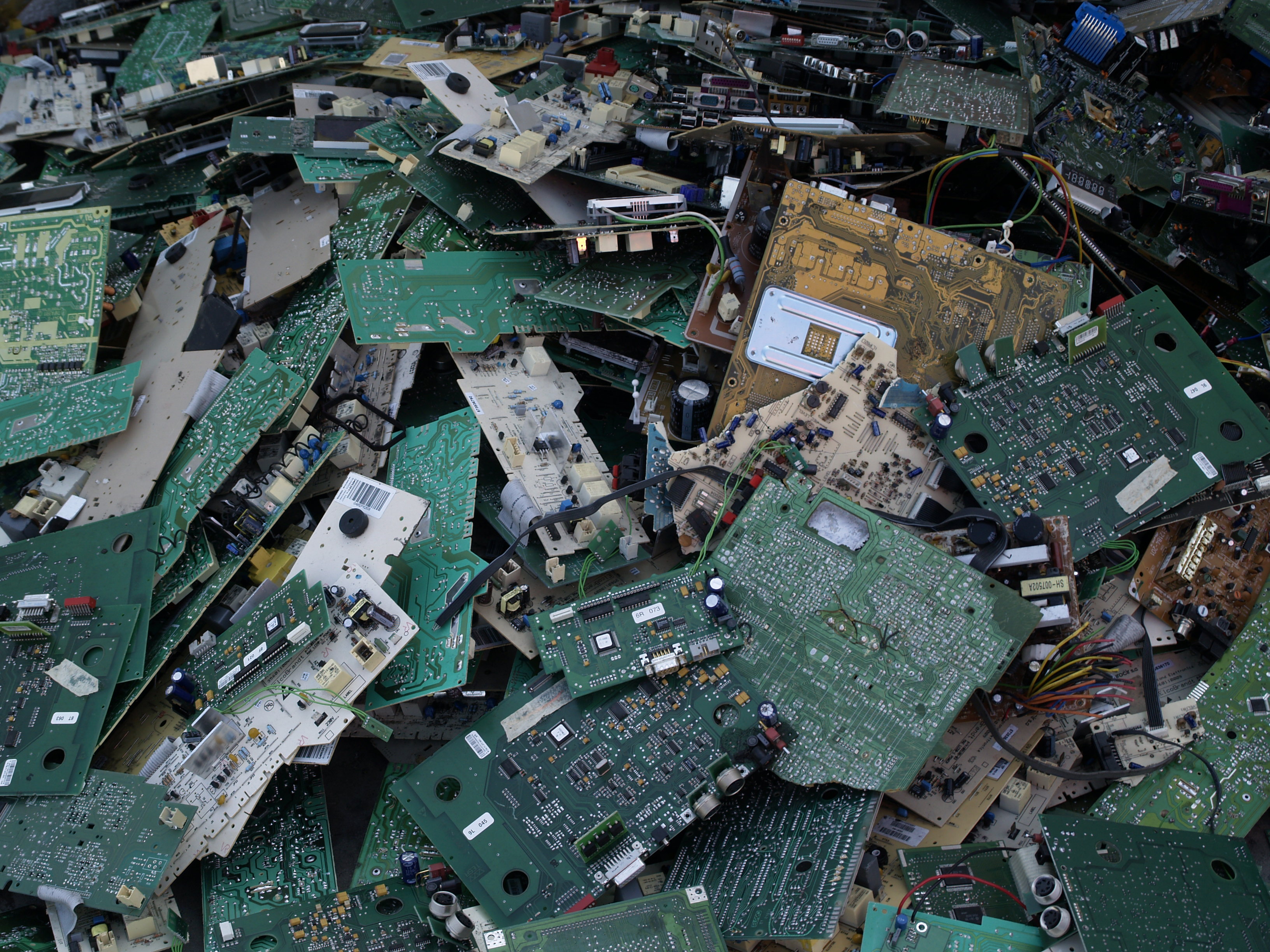
The decision to stop at primary separation or invest in deeper sorting is always a balance between material characteristics, process capability and economic value. A key factor is the input stream itself. The level of homogeneity and the complexity of the material mix have a direct impact on the achievable separation results. IT equipment and small appliances often contain highly mixed and composite materials, which can justify deeper sorting.
Another important point is the quality already achieved after primary separation. If the resulting fractions already meet downstream requirements, additional processing may not create sufficient added value.
Finally, market demand plays a central role. Prices for high purity metals and plastics, as well as customer specifications, determine whether advanced sorting technologies are economically justified. In practice, the decision is always about finding the right balance between technical sufficiency and added economic value.
2. In preparation for refining of PCB, why is progressive size reduction combined with controlled sample division essential for generating analytically reliable samples?
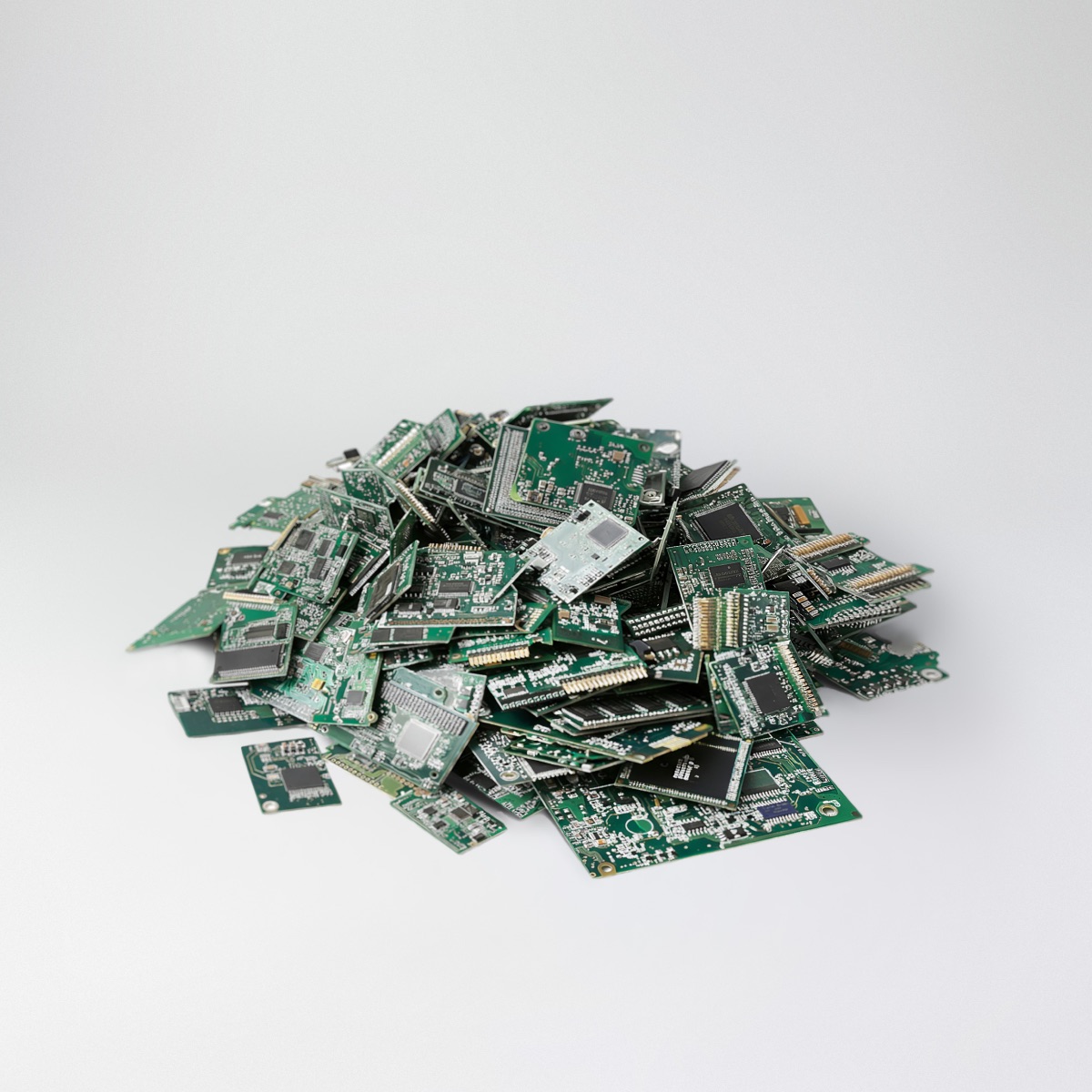
The main challenge is the extreme heterogeneity of the material. Metals, composites and non metal components are unevenly distributed and behave differently during comminution. Stepwise size reduction is therefore essential. It allows gradual liberation of the material structure and reduces effects such as metal smearing or uncontrolled generation of fines, resulting in a more stable and controlled process.
Even after comminution, the material remains non uniform. This is why controlled sample division is critical. Without it, laboratory samples can become biased, with heavy or metal rich particles being over or under represented.The combination of progressive size reduction and controlled sampling ensures representative analysis, correct mass balances and reliable recovery calculations. This forms the basis for process control and economic evaluation for PCB recycling.
3. How do process stability, fraction definition and downstream requirements interact when designing recycling plants for economically viable material recovery?
When designing recycling plants, it is essential to consider the plant as a whole, where process behaviour, product definition and market requirements are closely linked. Process stability defines the level of predictability. If the input flow is unstable, consistent separation and product quality become more difficult to maintain.
Fraction definition translates a complex waste stream into clearly defined material classes. The selection of cut points has a direct impact on recovery efficiency and product quality. Downstream requirements define the target. They specify the quality levels that must be achieved and determine how far the process needs to go.
In practice, these elements are interdependent. Process stability sets the limits, fraction definition creates usable products and downstream requirements define the final objective. The optimal plant design is achieved when all three are aligned in a technically stable and economically viable system.

Effizientes Recycling beginnt mit der richtigen Anlage.
Kontaktieren Sie uns jetzt für eine unverbindliche Beratung zu Ihrem individuellen Anliegen.